Climate Change

Call for Papers: 10th Asian International Economic Law Network Conference

The News and Events category publishes the latest News and Events relating to International Economic Law relating to Africa and the Global South. Every week, Afronomicslaw.org receive the News and Events in their e-mail accounts. The News and Events published every week include conferences, major developments in the field of International Economic Law in Africa at the national, sub-regional and regional levels as well as relevant case law. News and Events with a Global South focus are also often included.

35th Afronomicslaw Academic Forum Guest Lecture - Climate Risks, Finance and Regulation in Africa

Africa's economic future hinges on its ability to navigate climate-related risks while mobilizing finance to build resilient economies. This lecture will explore the interlink of climate risks, financial regulation, and sustainable finance, drawing on insights from my advisory work with central banks, financial institutions, and UN agencies, and from my teaching roles at University of Cape Town and Strathmore Business School. The lecture will examine how climate risks affect macroeconomic shocks and explore Africa's evolving climate-related regulatory landscape, including prudential frameworks and disclosure requirements. We will explore recent developments, including new reporting standards, innovative finance products, carbon market regulations, and green finance taxonomies. Through practical examples from my engagements with industry alliances such as the Kenya Bankers Association, Alliance for Financial Inclusion (AFI), and Glasgow Financial Alliance for Net Zero (GFANZ), the lecture will demonstrate how climate risk challenges and financial opportunities will shape Africa's development trajectory. At the end of the lecture, participants will gain a clearer understanding of the critical links between climate risk management, financial innovations, regulatory developments, and the continent's development goals.

The Inter-American Court’s Advisory Opinion on Climate Emergency and Human Rights: A Breakthrough for the Environment and Business & Human Rights

In July, the Inter-American Court of Human Rights released its Advisory Opinion on Climate Emergency and Human Rights. The findings of the Court establish a clear path on how states must address climate change under a human rights and environmental perspective. The purpose of this post is to assess the main environmental breakthroughs of this Advisory Opinion as well as the business & human rights assessment the Court does on this matter.

Afronomicslaw Sovereign Debt Quarterly Brief, No. 4: Debt-for-Nature-Swaps: Fit for Africa?

Creditors’ motivations appear to be mixed. While reputational benefits and international commitments are primary drivers, more pragmatic interests, such asthe opportunity to redeem discounted loans above market rates, also play a role. Asignificant finding is that most respondents feel their countries lack agency in DNS operations. The survey also indicates skepticism about DNS’s effectiveness inreducing sovereign debt, although respondents acknowledge its potential foraddressing environmental challenges. Transparency emerges as a major concern. Respondents consistently describe DNS transactions as opaque or minimally transparent, with local communities rarely, if ever, involved in the process. While DNS is not widely endorsed as either a preferred debt restructuring tool or climate finance mechanism, respondents do recognize its limited but meaningful role, particularly in environmental initiatives.

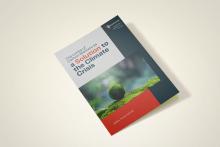
Afronomicslaw Sovereign Debt Quarterly Brief, No. 1 of 2025: The Limits of Carbon Markets as a Solution to the Climate Crisis

In this quarterly report, I argue that the climate crisis has provided theglobal finance industry an opportunity to make exorbitant profits frommajority Black and Brown countries in the Global South. I show how theglobal finance industry is leveraging its muscle over climate-vulnerable andheavily indebted countries in the Global South through complex financialtransactions.

Invitation - Afronomicslaw Quarterly Report Launch: The Limits of Carbon Markets as a Solution to the Climate Crisis

Join us for the launch of Afronomicslaw’s latest quarterly report, "The Limits of Carbon Markets as a Solution to the Climate Crisis" by James Thuo Gathii. This report critically examines the role of global finance in commodifying biodiversity assets and its implications for climate justice and sovereign debt in the Global South. The session will include an author presentation and a Q&A session.

Migration: A Force for Resilience and Broad Positive Social Change within and beyond the ‘Global South’ amid the Climate Crisis?

In this analysis, migration and its relation with climate change and development are examined through Sen's (1999) capabilities framework for human mobility. Migration is a people-centric activity where one may want to reside in or relocate to a desired area. Discussions around the connection between climate change and migration are growing in academic and governance contexts. Scholars are increasingly recognising migration's role as a strategy for adaptation and development. The International Organisation for Migration (IOM) suggests that there is no direct relation between climate changes and migration decisions. Viewing migration as merely adaptation can understate the varied causes of forced migration, which include sociology, economics, politics, and ecology. Addressing climate migration effectively requires considering political and economic processes and their interrelations.